

Quick Summary
A Beijing restaurant, “Benri Ichiran Ramen,” allegedly imitated Japan’s Ichiran Ramen through similar trademarks, store designs, and branding, raising cross-border intellectual property concerns. This case highlights how established brands can protect their rights against copycats, even without operating in the local market.
Key Takeaways:
Minor changes to brand names or logos may still constitute trademark infringement if they cause consumer confusion.
Trademarks, store layouts, and distinctive brand elements (trade dress) may qualify for legal protection.
Brands may enforce their rights in China even without local stores, provided they have sufficient legal grounds.
Swift action, including public statements, platform complaints, and evidence collection, helps limit reputational damage.
Early trademark registration and consistent brand protection are essential for international expansion.
Combining trademark law, unfair competition law, and online platform enforcement strengthens brand protection.
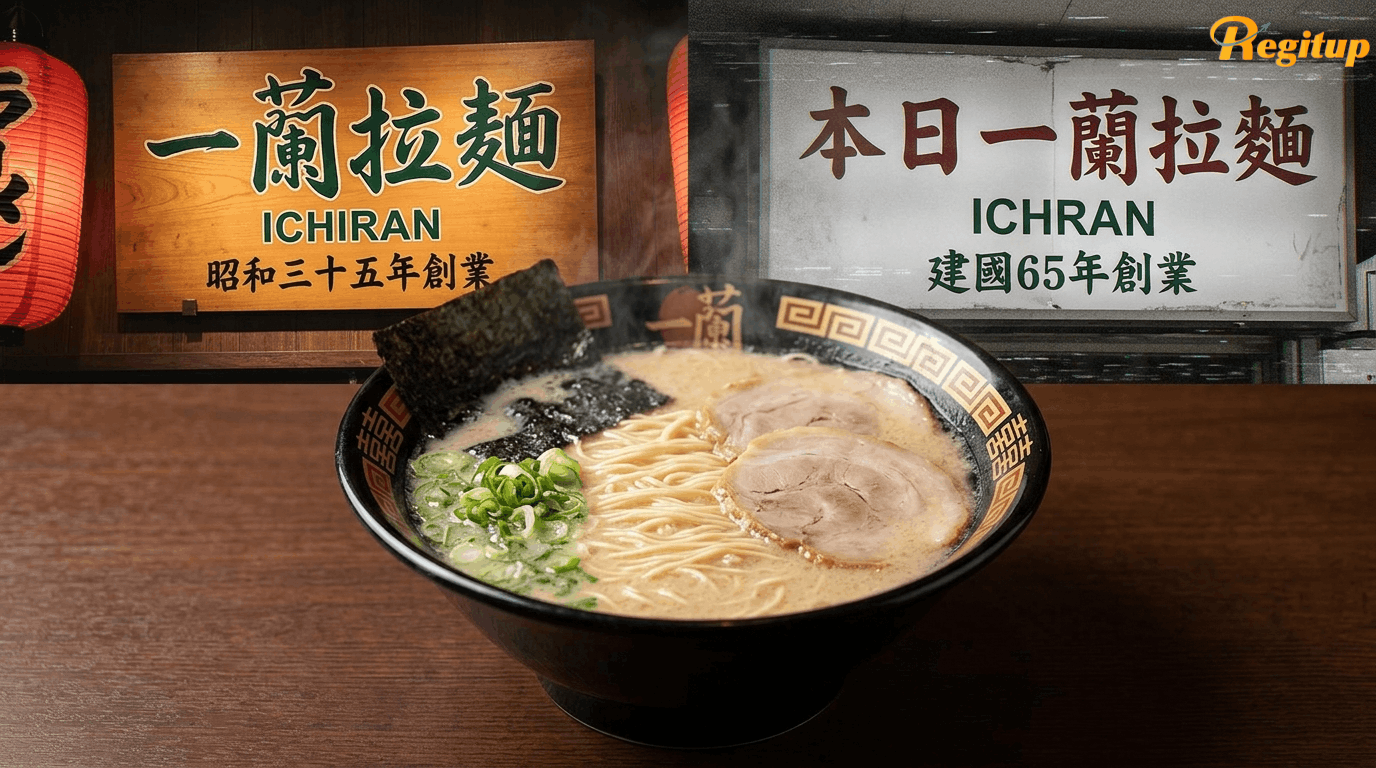
Japan’s renowned ramen chain, Ichiran, faced a suspected trademark infringement case in May 2026 when a copycat restaurant called “Benri Ichiran Ramen” appeared in Beijing, China. The restaurant allegedly imitated Ichiran’s logo, interior design, ordering system, and branding. Ichiran clarified that it had never authorized the restaurant and announced that its legal team was investigating the matter.
Background and Key Issues
The Beijing restaurant closely resembled Ichiran, using similar red, black, and green branding, private dining booths, and customized ordering forms.
However, subtle changes were made to its branding:
Trademark alteration: “ICHIRAN” was changed to “ICHRAN” by removing one letter.
Brand history modification: The original founding year was replaced with a different historical reference.
The central question is whether these minor modifications are sufficient to avoid trademark infringement when the overall branding could still mislead consumers.
Intellectual Property Analysis
The Ichiran Ramen copycat case can be examined from four key perspectives under China's intellectual property laws:
1. Trademark Infringement: Consumer Confusion and Free-Riding
Under Article 57 of China's Trademark Law, using a trademark similar to a registered mark for identical or similar goods or services without authorization may constitute infringement if it is likely to cause consumer confusion.
High Trademark Similarity: Although the copycat restaurant changed “ICHIRAN” to “ICHRAN” by removing the letter “I” and altered the founding year, its black, red, and green color scheme, circular logo structure, and typography closely resemble Ichiran's original branding.
Likelihood of Consumer Confusion: Trademark infringement does not require identical marks. The key consideration is whether ordinary consumers may mistakenly believe the businesses are connected. The restaurant's use of “Ichiran Tonkotsu Ramen” on food delivery platforms could further mislead customers into believing it was an authorized franchise or official branch.
2. Anti-Unfair Competition Law: Trade Dress Protection
Beyond its trademark, the copycat restaurant allegedly replicated Ichiran's signature individual dining booths, automated ordering machines, and customized ramen order forms.
Under Article 6 of China's Anti-Unfair Competition Law, businesses are prohibited from using names, packaging, decorations, or other identifying elements similar to those of an established business if they are likely to cause confusion. Ichiran's distinctive dining system has developed strong brand recognition, and copying its overall restaurant appearance may constitute unfair competition.
3. Brand Recognition Without Local Operations
One challenge for Ichiran is that it currently has no directly operated restaurants in mainland China.
Copycat operators may argue that the original brand has no local business operations and therefore suffers no direct commercial damage.
However, international tourism and social media have helped Ichiran gain recognition among Chinese consumers even before entering the market. Under Chinese judicial practice, evidence of established brand recognition and deliberate imitation may strengthen an overseas brand's legal position.
4. Previous Cases: Ichiran and Lanchi Ramen
This is not Ichiran's first encounter with imitation in China. In 2018, a Chinese restaurant chain called “Lanchi Ramen,” reportedly operating over 30 locations, faced criticism for its similar branding and restaurant design. Ichiran reportedly issued legal notices, after which Lanchi modified its logo colors.
The Beijing “Benri Ichiran” case involves even more direct similarities. Pursuing both trademark infringement and unfair competition claims could provide Ichiran with broader legal protection, although the outcome would depend on the available evidence.
Brand Protection Strategies
Respond Within the First 24 Hours to Protect Brand Reputation
When a suspected copycat attracts media attention, the original brand should promptly issue a statement clarifying that the business is neither operated nor authorized by the company. Listing official locations can further prevent consumer confusion. Brands should not wait for a court judgment. Early clarification and legal notices can reduce reputational damage, encourage platforms to investigate suspicious listings, and prevent further misunderstanding.
Use Platform Enforcement to Disrupt Infringing Activities
Legal teams should promptly submit trademark certificates and infringement evidence to major Chinese platforms, including Meituan, Dianping, and Taobao. International brands can use these platforms' Notice-and-Takedown mechanisms to request the removal of infringing listings before a final court judgment. This approach can reduce the copycat's online visibility and limit customer access through delivery and e-commerce channels.
Extend Protection Beyond Trademarks to Trade Dress
Copycat businesses often make minor changes to brand names, such as removing the letter “I” from “ICHIRAN,” while retaining the original brand's appearance. Brands should collect evidence of copied dining partitions, ordering forms, signage, logos, and other distinctive visual elements. Beyond trademark infringement, businesses can rely on China's Anti-Unfair Competition Law to challenge imitation of their overall trade dress and customer experience, strengthening their legal position.
Protect Proprietary Technology and Core Business Assets
Ichiran's competitive advantage includes its signature tonkotsu broth and secret red seasoning sauce, produced under the company's control rather than licensed to franchise operators. While copycats may imitate store designs, replicating the original taste and production expertise is more difficult. International brands should protect core assets, including proprietary recipes, technology algorithms, and specialized materials. Maintaining control over these assets creates competitive advantages that competitors cannot easily replicate, even when external branding is imitated.
Conclusion
The Ichiran case demonstrates that minor changes to a brand name or logo may not prevent trademark infringement when the overall presentation creates consumer confusion.
For international businesses, the key lesson is simple: Trademark protection should begin before market expansion.
Early registration, consistent brand monitoring, and timely enforcement are essential to preventing copycats, protecting brand reputation, and maintaining long-term competitive advantages.