

Quick Summary
Jellycat's brand protection cases highlight that anthropomorphizing everyday objects is a general creative concept. However, copying distinctive visual elements that mislead consumers into believing products are genuine or officially licensed may create infringement risks.
Key Takeaways:
General Creative Concepts: Smiling vegetables, food, or animals are not exclusive to Jellycat. Using anthropomorphic designs alone does not constitute infringement.
Distinctive Brand Aesthetic: The key issue lies in Jellycat's recognizable house style, including specific combinations of eyes, smiles, proportions, colors, textures, and other design elements.
Consumer Confusion: Legal risks increase when similar designs lead consumers to believe products are genuine, authorized, or part of an official collaboration.
Design Protection Limitations: Registered designs protect specific product appearances. Changes in proportions, materials, or details may affect whether competing products fall within their protection.
Comprehensive IP Protection: Brands can combine trademarks, registered designs, copyright, and passing off to protect their distinctive identity and reputation.
Designers should develop their own visual identity, maintain detailed creative records, and avoid misleading marketing terms such as “affordable alternative” or “official collaboration” that may confuse consumers about product origins.
Introduction
In recent years, British plush toy brand Jellycat has gained global popularity through its distinctive anthropomorphic “Amuseables” collection, pushing annual revenue beyond £333 million. However, its success has also attracted retailers and online sellers offering similar “smiling vegetables” and “smiling coffee cups” as cheaper alternatives. When consumers struggle to distinguish these products, where is the line between creative inspiration and infringement? This article examines recent UK and German court cases to explore Jellycat's intellectual property protection and how its distinctive “house style” can become a valuable brand asset.
What Is Brand Aesthetics (House Style), and How Does the Law Protect It?
A Visual Language: Eye Spacing, Embroidered Smiles, and Color Combinations
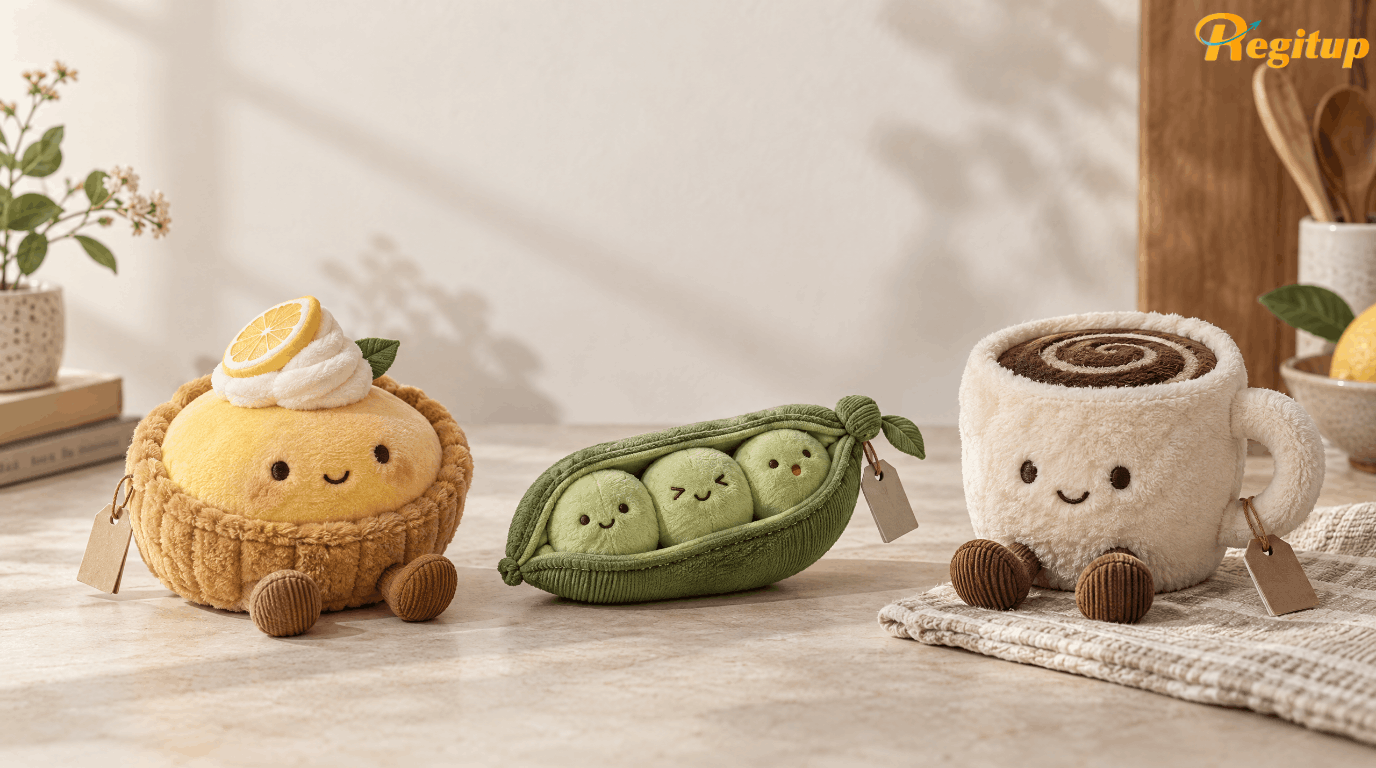
A brand's “house style” is not simply an abstract feeling. It consists of recognizable visual elements, including specific eye spacing, embroidered smile curves, soft color palettes, fabric textures, stuffing materials, and distinctive product tags. While individual elements, such as black button eyes, cannot generally be monopolized, their consistent combination can create a recognizable visual identity associated with a particular brand.
Brand Recognition and Goodwill: When Style Becomes a Commercial Asset
Under legal frameworks such as UK common law and US trademark law, a distinctive visual style may acquire commercial value when consumers consistently associate it with a particular brand. This recognition contributes to brand goodwill. Where competitors imitate distinctive elements in a way that misleads consumers about commercial origin, the original brand may have grounds for legal action. However, general aesthetic similarities alone do not automatically establish infringement.
Are Smiling Vegetables and Animals Copyright Infringement? Why Do Consumers Get Confused?
German Court Ruling: Anthropomorphizing Everyday Objects Is a Shared Creative Concept
Adding eyes and smiles to everyday objects, vegetables, or food is a general creative concept that no single brand can exclusively own. In June 2026, the Higher Regional Court of Nuremberg overturned an injunction obtained by Jellycat against Keel Toys concerning a plush doughnut design. The court found that the general concept of anthropomorphizing food could not be monopolized. Therefore, simply selling smiling vegetable or animal plush toys does not automatically constitute infringement.
From Visual Association to Consumer Confusion: Why Do People Assume an Official Jellycat Collaboration?
Consumers may mistake similar products for official Jellycat collaborations because the brand has established a recognizable house style through consistent visual design. When competitors use similar embroidered smiles, small black eyes, soft colors, and plush textures, consumers may associate these features with Jellycat. However, visual resemblance alone is insufficient to establish infringement. The legal assessment depends on the specific rights involved and whether the similarities create a relevant risk of confusion or unlawful copying.
Creative Inspiration vs. IP Infringement: Three Key Factors in Consumer Confusion
Comparison | Fair Competition | Potential IP Infringement |
|---|---|---|
Facial Features and Design Style | Uses general anthropomorphic concepts while developing original facial expressions, proportions, and distinctive design features. | Closely reproduces protected facial proportions, eye spacing, expressions, and distinctive visual elements. |
Likelihood of Confusion | Clear branding and packaging allow consumers to identify the product's actual commercial origin. | Similar designs and presentation may mislead consumers into believing products are genuine, licensed, or official collaborations. |
Marketing Language | Promotes the brand's own identity, originality, and product quality. | Uses terms such as “Jellycat alternative” or misleading collaboration claims to benefit from Jellycat's reputation. |
Jellycat's Changing Legal Strategy: Why Move Beyond Registered Designs to Passing Off and Copyright?
The Limitations of Registered Design Protection
Registered designs protect the appearance of specific products rather than broad creative concepts. Competitors may reduce infringement risks by changing features such as leg length, eye spacing, fabric textures, or overall proportions, provided the resulting design creates a sufficiently different overall impression. This presents challenges when protecting products such as smiling croissants or doughnuts, as design rights do not automatically prevent competitors from creating other anthropomorphic plush toys.
London High Court Cases: Turning House Style into a Legal Asset
To address products that may confuse consumers, Jellycat has pursued legal action against major retailers, including Next Retail, Hamleys, and TJ Morris, the parent company of Home Bargains. These disputes have involved claims relating to passing off and copyright.
Unlike registered design infringement, passing off focuses on whether a business has established goodwill, whether another party has made a misleading representation, and whether that representation causes or is likely to cause damage. Copyright may separately protect qualifying original artistic works.
By relying on multiple legal grounds, Jellycat seeks to protect not only individual products but also the distinctive creative expressions and commercial reputation associated with its brand.
Legal Developments and Key Comparisons
According to reports by City A.M. and other legal news outlets, Jellycat initiated legal proceedings against several major retailers during 2026, including Next, Hamleys, Bessie London, and TJ Morris. These disputes highlight the growing importance of protecting recognizable brand identities alongside individual product designs.
In intellectual property disputes, claiming that two products “look similar” is rarely sufficient. Courts require objective evidence of protected rights and legally relevant similarities. Following challenges involving registered designs in Germany, Jellycat's UK litigation illustrates how businesses may use multiple legal tools to protect their commercial identity.
Comparison | Traditional Registered Design Protection | Comprehensive Brand Aesthetic Protection |
|---|---|---|
Protection Focus | Appearance of individual products, including shapes, lines, proportions, and visual features. | Brand goodwill, distinctive commercial identity, and qualifying original creative expressions. |
Competitor Workarounds | Changes to eye spacing, materials, or proportions may create a different overall impression and avoid infringement. | Changes to individual details may not eliminate liability if protected expression is copied or consumers are misled about commercial origin. |
Court Evidence | Compares registered designs with competing products to assess their overall impression. | May require evidence of distinctive features, brand recognition, consumer confusion, sales, and original creative works. |
Scope of Protection | Generally limited to designs falling within the registered design's legal scope. | May extend across product categories where the relevant legal requirements for passing off, copyright, or trademark protection are satisfied. |
Jellycat's evolving legal strategy highlights an important principle: Effective brand protection goes beyond physical product designs by turning distinctive visual identity and commercial goodwill into legally protectable business assets.
A Practical IP Guide for Entrepreneurs and Designers: Building a Brand Without Crossing Legal Boundaries
For creative product designers, IP entrepreneurs, and retailers seeking to avoid infringement claims or misleading brand associations, the following four strategies are worth considering:
Apply the Idea–Expression Distinction and Maintain Independent Design Records
Anthropomorphism is a general creative idea available to everyone, while specific facial arrangements and artistic expressions may qualify for legal protection. When developing anthropomorphic products, designers should preserve sketches, color selections, 3D models, and revision records to demonstrate independent creation and originality.
Avoid Misleading Marketing Terms Such as “Alternative” or “Collaboration”
Even when a product has distinctive features, marketing it as a “Jellycat alternative” or claiming an official collaboration may create legal risks if consumers are misled about its origin or authorization. Businesses should avoid promotional language that falsely suggests an association with established brands.
Develop a Distinctive Facial Expression and Brand Visual Language
Rather than copying the popular formula of “two black dots and a curved smile,” designers should create recognizable features unique to their own products. These may include distinctive eye shapes, mouth designs, facial proportions, or elements inspired by their brand logo. A consistent visual language helps establish an independent brand identity.
Adopt a Multi-Layered Intellectual Property Protection Strategy
A comprehensive IP strategy should combine several legal tools. Trademarks can protect brand names and distinctive logos, registered designs can protect specific product appearances, and copyright may protect original artistic expressions. Where applicable, passing off can also address misleading representations that damage established brand goodwill.
Conclusion
As brand aesthetics become increasingly valuable, IP protection now extends beyond product designs to brand identity, goodwill, and consumer confusion. While following trends may bring short-term success, lasting brand value requires original designs, proper documentation, and a strong IP strategy. By combining trademarks, design rights, copyright, and effective enforcement, businesses can protect their brand identity and build lasting competitive advantages.
External Authoritative Sources and References:
2024 Unsuccessful Case – Marks & Clerk IP Analysis: Jellycat Cries Copycat: Dragon Edition
LittleLaw Legal Analysis: How a Toy Croissant Landed Next in Court
2026 German Court Ruling – Jellycat's Unsuccessful Case: OLG Nürnberg, Judgment of 25 June 2026 – Case No. 3 U 562/26
Toy World Magazine – German Court Decision: Court Favours Keel Toys in Plush Design Infringement Dispute with Jellycat
City A.M. – UK Legal Proceedings: Gen Z Craze Toy Maker Jellycat Launches Legal Action Against Next and Hamleys
Retail Gazette – Trademark Dispute: Jellycat Launches Legal Action Against Next and Hamleys Over Trademark Claims
Irish Legal News – Home Bargains Dispute: Jellycat Sues Home Bargains Owner Over Alleged Copycat Toys
Berry Smith Lawyers – IP Protection Analysis: From Plush Toys to Powerful Trade Marks: What the Jellycat Dispute Means for Your Business