

Quick Summary
This case demonstrates that cross-border creative intellectual property can receive copyright protection in Taiwan when ownership and licensing documents are properly established. Unauthorized brand collaborations, adaptations, or derivative works may still constitute infringement.
Key Takeaways:
Copyright Protection: The court recognized “I Am Not a Fat Tiger” as an original artistic work protected by copyright.
Infringement Assessment: Courts primarily examine two factors: access to the original work and substantial similarity.
Cross-Border IP Rights: Overseas copyright holders can enforce their rights in Taiwan with valid ownership records and licensing agreements.
Unauthorized Adaptations: Brand collaborations, reinterpretations, or derivative designs may constitute infringement if they closely resemble protected works without authorization.
Legal Liability: Brands, retailers, and commercial partners may face legal liability for distributing infringing products, even if they are not the original creators.
Preventive Measures: Businesses should conduct copyright searches, verify ownership, and secure proper licenses before launching products or collaborations.
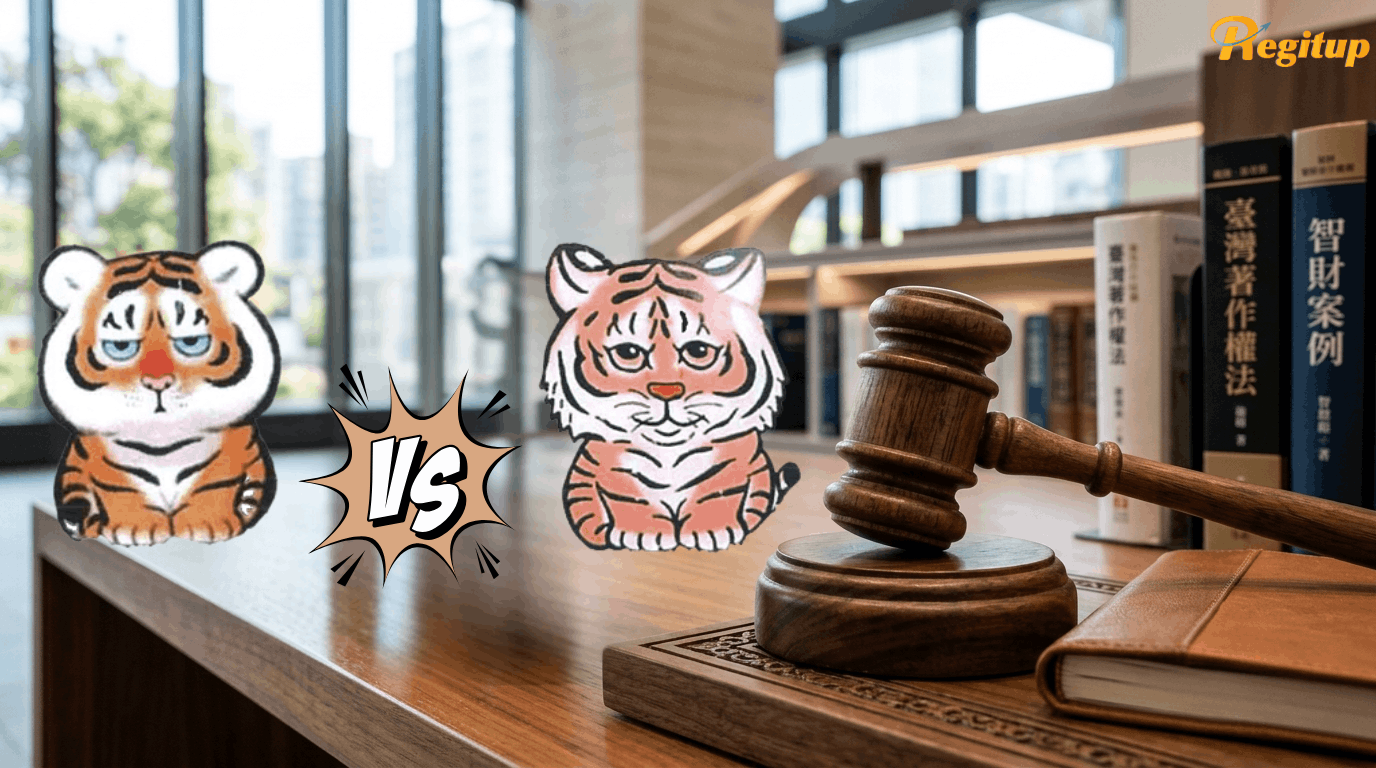
The booming creative industry has transformed IP characters into valuable commercial assets, while also increasing copyright disputes. In 2021, Taiwanese public figure Hsu Yun-le collaborated with fashion brand MO-BO to launch the “Budweiser Little Tiger” collection. The designs were accused of resembling “I Am Not a Fat Tiger,” a popular character created by mainland Chinese illustrator Ma Qianli (Uncle Bu Er Ma). After nearly five years of litigation, Taiwan's Intellectual Property and Commercial Court issued a retrial judgment in 2026, providing an important reference for cross-border copyright protection.
Case Background and Key Disputes
The dispute began in August 2021 when Pin Ye Cultural and Creative Co., Ltd. (Pin Ye), the exclusive licensee of “I Am Not a Fat Tiger” in Taiwan, discovered that MO-BO was selling products featuring the “Budweiser Little Tiger” illustrations provided by Hsu Yun-le (formerly known as Hsu Wei-ping). Pin Ye argued that the designs closely resembled the original character in body shape, facial expressions, and distinctive markings. It subsequently filed a copyright infringement lawsuit seeking damages.
The legal dispute focused on three key issues:
Copyright Eligibility: The defendants questioned whether “I Am Not a Fat Tiger” qualified as a protected artistic work under Taiwan's Copyright Act and challenged the supporting copyright registration documents.
Exclusive Licensee's Right to Sue: The defendants disputed whether Pin Ye had obtained valid exclusive licensing rights in Taiwan, allowing it to independently pursue infringement claims and compensation.
Substantial Similarity and Access: The court examined whether “Budweiser Little Tiger” was substantially similar to “I Am Not a Fat Tiger” and whether the defendants had a reasonable opportunity to access the original artwork before creating their designs.
Case and Intellectual Property Analysis
The dispute can be examined through four key legal considerations:
Copyright Protection and Originality
The court first confirmed that “I Am Not a Fat Tiger” qualified as a protected artistic work under Taiwan's Copyright Act. Its creator, Uncle Bu Er Ma, transformed the traditionally fierce Siberian tiger into a round, gentle, and charming character, demonstrating sufficient originality and creativity. Although the defendants challenged the copyright documents, the court considered the creator's publication history and timestamps on platforms such as Weibo, confirming the originality of the artwork and the creator's copyright ownership.
Two Key Infringement Tests: Access and Substantial Similarity
Taiwanese courts generally examine two key factors when assessing copyright infringement: access to the original work and substantial similarity.
Likelihood of Access: Since its introduction in 2017, “I Am Not a Fat Tiger” has gained considerable popularity across Chinese-speaking online communities. Given the defendants' involvement in the creative and fashion industries, the court considered that they had a significant opportunity to encounter the original artwork online.
Substantial Similarity: After comparing both illustrations, the court identified similarities in their seated posture, body and forehead stripes, eye placement, and paw designs. These overlapping features went beyond ordinary coincidence or independent creation. The courts concluded that the designs were substantially similar and that the defendants had reproduced or adapted the original work without authorization.
Legal Disputes Over Exclusive Licensing Rights
A key issue was whether Pin Ye held valid exclusive licensing rights to pursue copyright infringement claims in Taiwan. The defendants challenged Pin Ye's legal standing, but the court confirmed that its licensing agreements and supporting documents established a valid chain of rights. The ruling highlights the importance of clear contracts and complete authorization records in cross-border copyright enforcement.
Court Judgment and Legal Liability
In its 2026 retrial judgment, the court found that Hsu Yun-le and MO-BO had infringed the copyright of “I Am Not a Fat Tiger.” The defendants were ordered to jointly pay NT$400,000 in damages, together with statutory interest, destroy the infringing products, and bear the relevant litigation costs.
Significance of the Case for Copyright Protection
After nearly five years of cross-border litigation, the 2026 judgment in favor of Pin Ye provides an important reference for copyright enforcement between China and Taiwan. The dispute highlights four key lessons for the creative industry and intellectual property protection.
Establishing a Practical Framework for Cross-Border IP Enforcement
Cross-border copyright enforcement requires clear ownership records and valid licensing agreements. This case highlights the importance of proper documentation, including notarization, authentication, and exclusive licensing. The judgment confirms that overseas copyright holders can enforce their rights in Taiwan when the necessary legal documents are in place.
A Warning Against Unauthorized Adaptations and Derivative Works
Minor changes to an existing character's appearance or name do not automatically qualify as independent creation. Applying the tests of access and substantial similarity, the court found significant similarities between “Budweiser Little Tiger” and “I Am Not a Fat Tiger,” including body shape, facial expressions, and distinctive markings. The ruling highlights the legal boundary between creative inspiration and copyright infringement, reminding businesses that unauthorized adaptations may still violate copyright.
Reinforcing Copyright Protection Regardless of Geographic Origin
Taiwan's Intellectual Property and Commercial Court assessed the case based on copyright law rather than the artwork's geographic origin. By recognizing the originality of “I Am Not a Fat Tiger” and examining its ownership and licensing rights, the ruling reinforces fair copyright protection across jurisdictions and supports confidence in cross-border creative collaborations.
Strengthening Brand Risk Management and IP Due Diligence
MO-BO was held jointly liable for selling infringing products, highlighting that brands and retailers may face legal consequences even when designs come from third parties. Businesses should conduct IP due diligence before launching collaborations, including verifying copyright ownership and licensing rights. Failing to do so may result in compensation claims, inventory destruction, legal costs, and reputational damage.
Conclusion
The “Budweiser Little Tiger” copyright dispute provides a valuable example of cross-border IP enforcement between China and Taiwan. After nearly five years of litigation, the case reaffirmed the importance of protecting original creative works and maintaining valid licensing documentation. As creative IP increasingly crosses geographic boundaries, brands and creators must strengthen copyright searches, ownership verification, and licensing reviews before launching products or collaborations. Ultimately, respecting originality and securing proper authorization are essential to reducing legal risks and supporting sustainable growth in the creative industry.