

Quick Summary
Using unauthorized karaoke playback devices in commercial venues may constitute copyright infringement and lead to criminal liability, even when the devices are only provided for customer use.
Key Takeaways:
Copyright Disputes: The dispute between Neway and three major record labels arose from failed negotiations over licensing fees and music playback rights, leading to over a decade of litigation and improvements in Hong Kong's copyright licensing system.
Enforcement Trends: Hong Kong Customs continues to target illegal karaoke devices in party rooms, bars, and restaurants, while also taking action against online sales and unauthorized commercial operations.
Legal Risks: Businesses cannot automatically avoid liability by claiming ignorance or arguing that they do not sell music. Using infringing devices commercially may violate Hong Kong's Copyright Ordinance.
Compliance Measures: Businesses should purchase authorized karaoke systems from legitimate suppliers and obtain the necessary copyright licences to legally play music in public and reduce infringement risks.
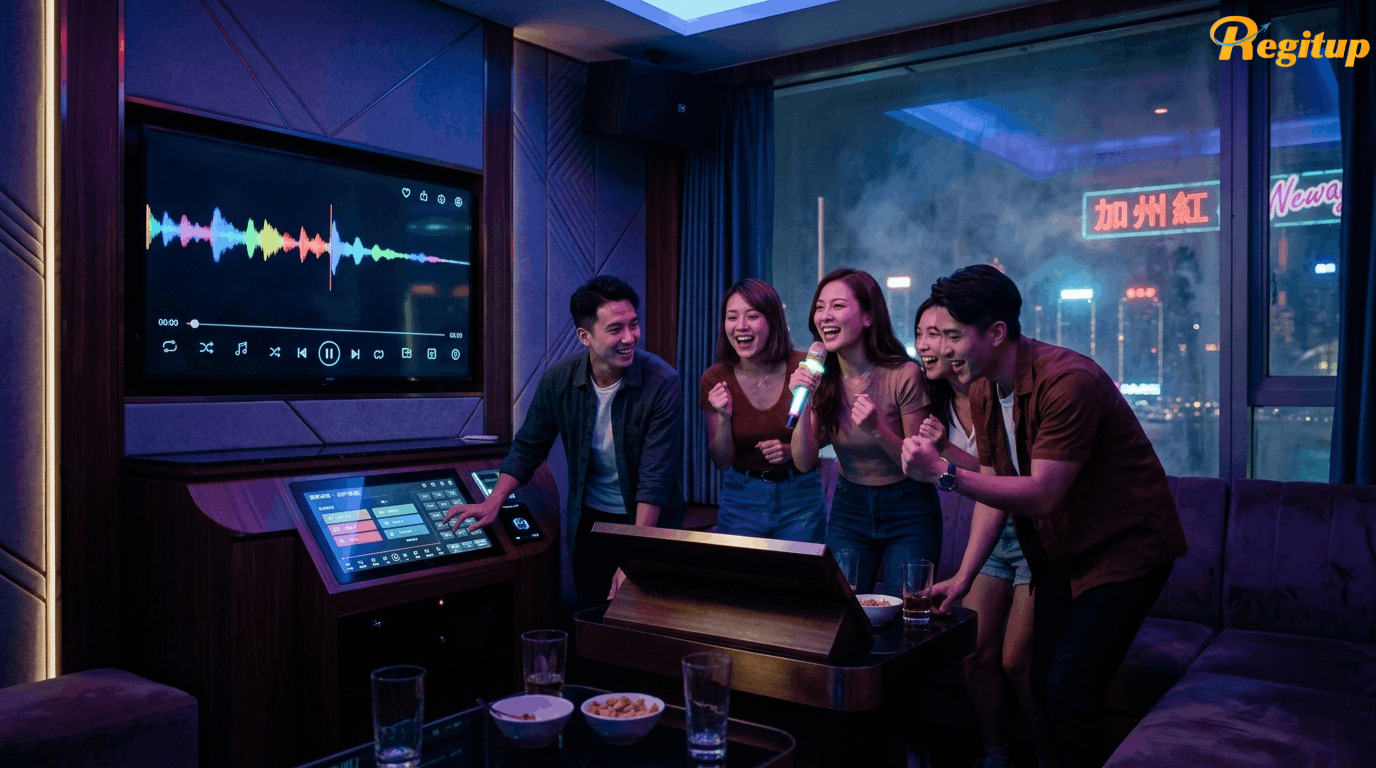
Karaoke has long been one of Hong Kong's favourite pastimes, with party rooms and bars becoming popular places to sing with friends. Recently, a hotpot restaurant in Kowloon introduced a “Hotpot and Karaoke” experience, allowing customers to enjoy food and singing in private rooms. While such creative promotions are appealing, they also raise an important question: Are the karaoke systems being used properly licensed?
Music is protected by copyright, and commercial venues generally need appropriate licences to provide karaoke services legally. Record companies and entertainment operators have historically negotiated licensing agreements covering music videos and playback rights. One notable example is the long-running dispute involving Hong Kong's former karaoke giants, California Red and Neway.
The Beginning: Exclusive Playback Rights and the K-Net Dispute
In the early 2000s, Hong Kong's karaoke market was dominated by Neway and California Red.
Competition for Exclusive Playback Rights: Major record labels, including Emperor Entertainment, Universal Music, and Gold Typhoon, recognized karaoke as an important promotional channel. They began charging substantial fees for exclusive music video playback rights. Neway and California Red reportedly spent tens of millions of Hong Kong dollars competing for these agreements.
Formation of the K-Net Alliance: In 2008, Neway joined other entertainment operators to establish the K-Net system, seeking stronger collective bargaining power. Record labels opposed the arrangement, arguing that it could weaken competition and drive down licensing fees. Relations between the two sides subsequently deteriorated.
The Major Copyright Battle: Record Labels vs. Neway
Between 2008 and 2010, disagreements escalated into one of Hong Kong's most prominent music copyright disputes.
Universal, Sony, and Warner Withhold Licensing: Major international record labels, represented through the newly established Hong Kong Recording Industry Alliance (HKRIA), failed to reach an agreement with Neway over licensing fees. They declined to renew licences for their artists' original music videos, leaving Neway customers unable to select popular songs by artists such as Eason Chan, Khalil Fong, and Kay Tse.
Neway Acquires California Red and Challenges Licensing Fees: In 2010, Neway acquired its rival California Red, consolidating much of Hong Kong's karaoke market. Neway subsequently brought the licensing dispute before Hong Kong's Copyright Tribunal, arguing that the proposed fees were excessive and potentially anti-competitive.
Years of Legal Disputes: The disagreement continued through prolonged legal proceedings. Record labels argued that Neway had not provided sufficient song usage data to support fair royalty distribution, while Neway challenged the proposed fee structure based on individual branches and karaoke rooms.
The Outcome: Liquidation and Changes to Copyright Licensing
The prolonged dispute, combined with the rise of music streaming services such as Spotify and KKBOX, placed additional pressure on Hong Kong's traditional karaoke industry.
Liquidation of a Neway Subsidiary: In 2021, legal proceedings involving Neway Music Limited resulted in a winding-up order against Neway Karaoke Box Limited, a subsidiary within the Neway group. This marked a significant development in the long-running copyright dispute, although some Neway outlets continued operating through other corporate entities.
Development of Collective Licensing: The dispute highlighted the importance of transparent copyright licensing arrangements. Today, karaoke venues, party rooms, and bars may need licences from relevant collective management organizations, such as PPSEAL and HKRIA, depending on the music and rights involved. These arrangements provide a more structured approach to licensing than individual negotiations over exclusive playback rights.
This dispute demonstrates why proper copyright licensing matters. Record companies invest substantial resources in producing music, while karaoke operators provide commercial venues where customers can enjoy it legally.
Against this background, unauthorized karaoke playback devices have become an important target of intellectual property enforcement in Hong Kong. These devices often contain tens of thousands of local and international songs without permission from copyright holders and are supplied to commercial entertainment venues.
Latest Enforcement Cases and Crime Trends in 2026
Between March and April 2026, Hong Kong Customs conducted a special enforcement operation codenamed “Magpie,” targeting an alleged copyright infringement network operating across online retail, catering, and entertainment businesses.
Scale of the Operation: More than 100 officers participated in searches involving 14 party rooms and one bar. Customs seized 28 karaoke playback systems suspected of containing infringing songs, with an estimated total value of HK$500,000.
Contents of the Devices: Each system reportedly sold for approximately HK$3,000, including a control panel and microphones, and contained up to 40,000 songs. The devices also included recently released Cantopop hits to attract local customers.
Emerging and Concealed Infringement Methods
Customs investigations identified two increasingly sophisticated operating methods:
Impersonating Authorized Distributors: Some online sellers falsely claimed to be official Hong Kong distributors of karaoke systems. They advertised installation and maintenance services to convince businesses and consumers that the products were legitimate.
Integrated Sales and Self-Service Operations: Certain operators allegedly sold devices online while running party rooms and bars in Central. These venues often operated without on-site staff and disclosed only approximate locations on social media. Customers received the exact address and access code only after completing payment.
Legal Consequences of Commercial Use and Possession
In Hong Kong, selling or commercially possessing infringing karaoke playback devices may constitute a serious offence under the Copyright Ordinance.
Commercial Possession and Use: Under Hong Kong's Copyright Ordinance, possessing infringing copies in the course of business or for commercial purposes may constitute a criminal offence. This can include providing unauthorized karaoke systems for customers in party rooms, bars, or restaurants. Claims of ignorance or not directly selling the songs do not automatically exempt businesses from liability.
Criminal Penalties: Upon conviction, offenders may face a maximum fine of HK$50,000 per infringing copy and imprisonment for 4 years, depending on the applicable offence.
How Can Businesses Reduce IP Risks?
Businesses operating entertainment venues, restaurants, or party rooms should adopt the following preventive measures:
Purchase from Authorized Suppliers: Avoid purchasing karaoke systems from unknown online sellers or social media accounts. Choose reputable suppliers and request evidence of genuine licensing and authorization.
Verify Copyright Licences: Purchasing legitimate equipment does not automatically grant permission for commercial music playback. Businesses should obtain the necessary licences from relevant copyright organizations, such as PPSEAL and CASH, depending on the rights and content involved.
Support Genuine Products: Retailers and catering businesses can consider participating in Hong Kong's “No Fakes Pledge” scheme to demonstrate their commitment to genuine products, strengthen customer confidence, and promote IP compliance.