

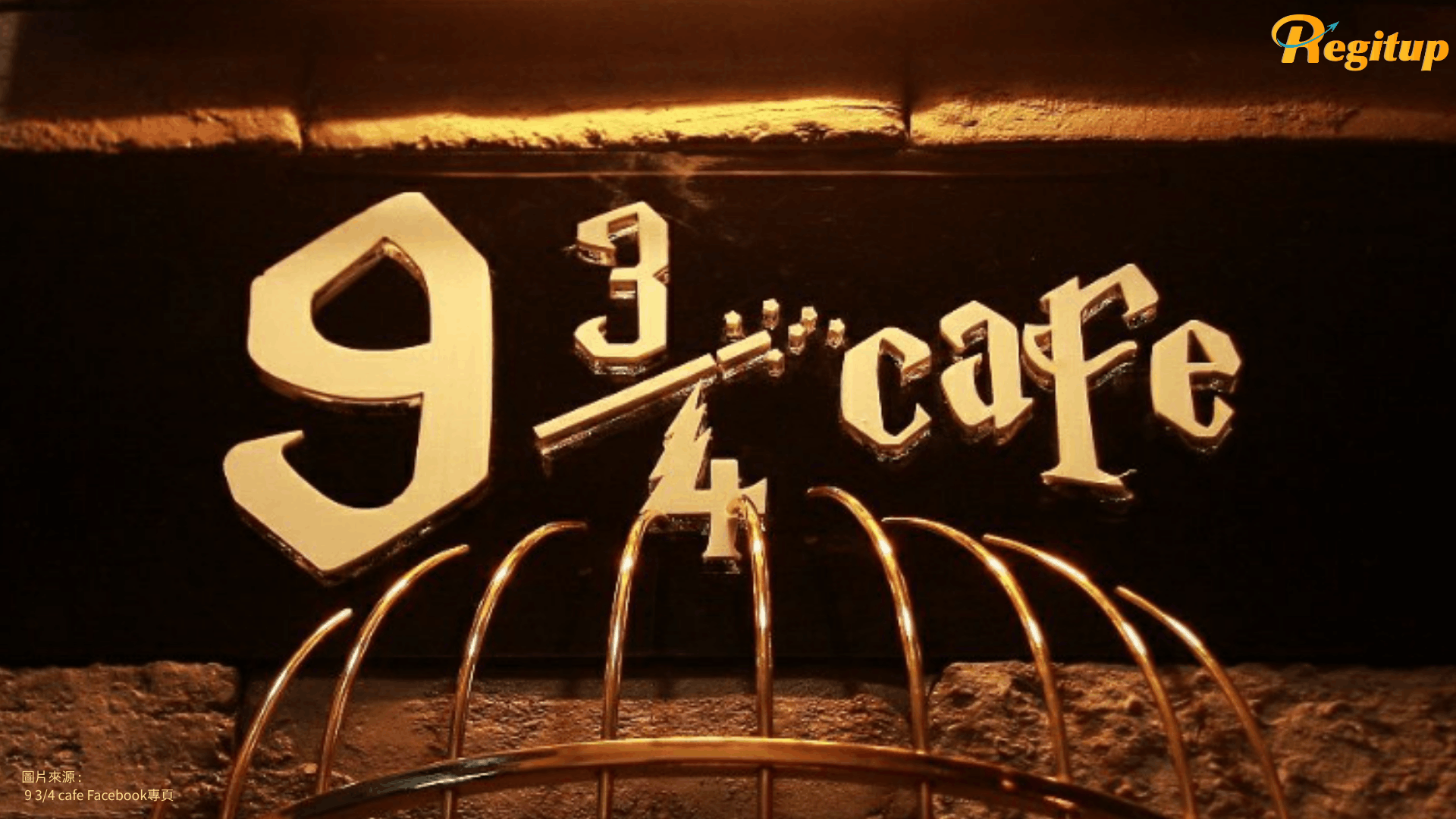
On the bustling streets of Mong Kok, Hong Kong, there once stood a café called 9¾ Cafe. Inside were magic brooms, luggage trolleys disappearing through walls, and decorations bearing the word "Hogwarts." For Harry Potter fans, it was a must-visit destination. For Warner Bros. Entertainment Inc., however, it became the center of a years-long intellectual property dispute.
Between 2023 and 2024, Warner Bros. won the case, with the court ordering the café to rebrand, remove all infringing materials, pay damages, and account for its profits. After failing to comply with the injunction, the operators also faced potential contempt of court proceedings. The case serves as a clear reminder that passion is not a legal defence to intellectual property infringement.
The Case: From Fan-Favourite Café to Courtroom
2017 – 9¾ Cafe opened in Mong Kok as a Harry Potter-themed café. Its name was taken directly from the famous Platform 9¾, while menu items included names such as Veritaserum and Polyjuice Potion.
2019 – Warner Bros. filed proceedings in the Hong Kong High Court, alleging trademark infringement, copyright infringement, and passing off.
The Defence – The café argued that its decorations were merely a tribute created by fans and displayed disclaimers stating that it was not affiliated with Warner Bros.
2023 Judgment – The court ruled that the disclaimers were ineffective. The café's name, branding, and overall presentation were sufficiently similar to Warner Bros.' registered trademarks to mislead consumers into believing there was an official commercial connection.
2024 Follow-up – Warner Bros. alleged that the café had failed to comply with the court order by continuing to use the infringing name and decorations, and applied for contempt of court proceedings.
Legal Analysis: Four Key Risks for Business Owners
This case highlights several fundamental principles of intellectual property law in Hong Kong and other common law jurisdictions.
1. Trademark Infringement
Warner Bros. owns numerous registered trademarks in Hong Kong, including "Harry Potter," "Hogwarts," and "Platform 9¾." Under the Hong Kong Trade Marks Ordinance (Cap. 559), using identical or confusingly similar marks in relation to similar goods or services without authorization constitutes trademark infringement.
Common misconception: Simply changing a word or altering the design slightly does not necessarily avoid infringement. The legal test focuses on similarity and the likelihood of confusion.
2. Copyright Infringement
Decorations such as the "trolley through the wall" and wizard-themed displays were found to substantially reproduce artistic elements from the Harry Potter films. Under the Hong Kong Copyright Ordinance (Cap. 528), copyright protects not only literary works but also artistic works and their visual expression.
3. Passing Off
Passing off is a common law doctrine that protects business goodwill. Even without directly copying a registered trademark, a business may still be liable if it deliberately creates the impression that it is commercially associated with another well-known brand.
Court's view: A disclaimer cannot eliminate consumer confusion once the overall branding encourages customers to believe there is an official connection.
4. Contempt of Court
The most serious development came after the court had already issued an injunction. Failing to comply with a court order can elevate the matter from a civil dispute to proceedings for contempt of court, potentially resulting in fines or imprisonment.
How Would Other Jurisdictions Treat This Case?
Jurisdiction | Legal Perspective |
|---|---|
United States | U.S. law strongly protects famous trademarks through trademark dilution, meaning liability may arise even without actual consumer confusion. |
Taiwan | Taiwan's courts clearly distinguish between fan creations and commercial use. Once a themed café operates for profit, fair use is unlikely to succeed as a defense. |
Mainland China | China's courts have significantly strengthened protection against businesses that exploit the goodwill of famous IP, particularly through unfair competition and trademark laws. |
Practical Advice for Entrepreneurs
If you are planning to open a themed business or use a third party's intellectual property, consider the following:
1. Obtain Proper Licensing
Contact the IP owner or its licensing agent before launching your business.
Although licensing fees may be substantial, they are often far less costly than litigation, damages, and business disruption.
2. Create an Original Theme, Not Someone Else's Content
If licensing is beyond your budget, build a unique concept inspired by a general style rather than copying protected content.
For example, you may create a café inspired by a British magical boarding school aesthetic using gothic architecture, antique books, and vintage lanterns. However, avoid using protected names, logos, characters, or iconic symbols such as Hogwarts, Gryffindor, or Harry Potter's lightning scar.
3. Conduct Intellectual Property Due Diligence
Before adopting a business name:
Search trademark databases before filing your application.
Check not only identical names, but also similar spellings, pronunciations, translations, and transliterations.
4. Understand the Difference Between Fan Art and Commercial Use
Non-commercial fan creations shared online are often tolerated by copyright owners. However, once you begin charging customers or generating revenue, your use becomes commercial. What may seem like a tribute can legally become unauthorized commercial exploitation.
Conclusion
In today's economy, intellectual property is one of a company's most valuable assets.
Respecting copyrights and trademarks is not only about protecting creators—it is also about protecting your own business from costly litigation, financial loss, and reputational damage.