
In today’s entertainment, social media, and fashion industries, a name and personal image can be among the most commercially valuable intangible assets. Whether you are a KOL with millions of followers, an independent musician, or a professional model, registering an artist or personal brand name as a trademark has become an important part of protecting commercial rights.
Without trademark protection, creators and management companies may face significant challenges when a brand name is registered by a third party or unauthorized merchandise appears on the market. This article examines real-world examples involving Hong Kong artists and explains how Classes 16, 35 and 41 under the Nice Classification can form the core of an effective trademark protection strategy.
Celebrity Cases: Why Are Artists Registering Their Names as Trademarks?
In Hong Kong, an increasing number of artists and creators recognize trademarks as an important foundation for commercializing and expanding their personal brands.
1. Tyson Yoshi: Cross-Border Trademark Protection and Merchandise
Independent musician Tyson Yoshi (程浚彥) has developed a strong following across Asia, making intellectual property protection increasingly important as his commercial activities expand.
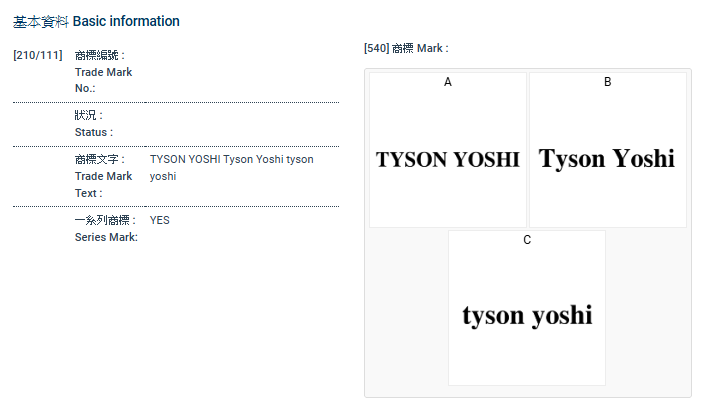
Trademark Strategy: Tyson Yoshi has pursued trademark protection for his artist name and related branding across key markets, including Hong Kong, Mainland China, and Taiwan.
Commercial Value: With concerts, tours, and branded merchandise forming part of an artist’s commercial activities, cross-border trademark protection can help protect the brand against unauthorized registration and the sale of counterfeit or unauthorized merchandise in different markets.
2. Coffee Lam (林芊妤): Turning a Personal Name into a Commercial Brand
From a well-known yoga instructor to a KOL with a substantial social media following, Coffee Lam demonstrates how a personal identity can develop into a broader commercial brand.
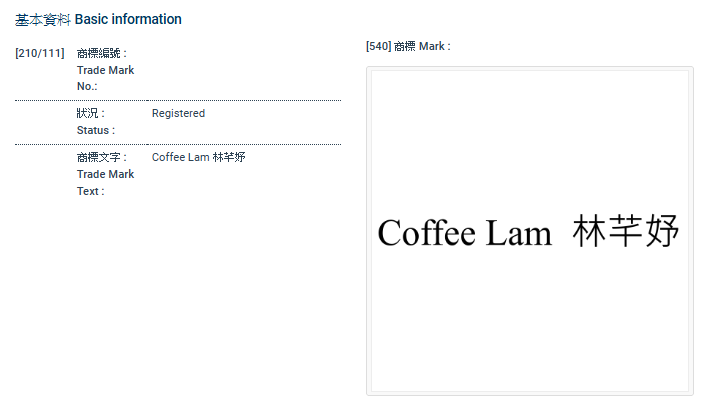
Trademark Strategy: Coffee Lam has registered trademarks relating to her name, “Coffee Lam 林芊妤”, in Hong Kong, as well as branding associated with her yoga and activewear business, “Coffee Sweat”.
Commercial Value: Combining trademark protection for a personal name with relevant clothing, fitness, and educational services can provide stronger protection against unauthorized courses, merchandise, and other commercial uses of the brand.
3 Core Trademark Classes for Artist and KOL Brands
Under the Nice Classification, trademark strategies for artists, models, KOLs, and entertainment management businesses commonly involve the following three classes:
Class 35: The Commercial Shield for Management and Brand Promotion
Relevant Services: Commercial representation and management of artists, models, and athletes; advertising; marketing; brand endorsement activities; promotional services; and social media marketing.
Class 35 can be particularly relevant to the commercial and promotional side of an artist or KOL brand. It may help protect the brand in connection with advertising, marketing, endorsements, and related business activities.
Class 41: Protecting Entertainment and Live Performances
Relevant Services: Entertainment services, concerts, fan meetings, fashion shows, music and video production, live performances, stage productions, and certain training services.
For artists whose businesses revolve around entertainment and live appearances, Class 41 is a core category. Trademark registration can help protect the artist’s brand in connection with performances, events, entertainment content, and related services.
Class 16: Protecting Printed Merchandise and Fan Products
Relevant Products: Posters, photo books, autograph cards, postcards, printed materials, commemorative publications, and stationery.
Printed celebrity merchandise is particularly vulnerable to unauthorized reproduction. Class 16 protection can strengthen the trademark owner’s position when dealing with unauthorized branded printed merchandise.
Additional Trademark Classes Worth Considering
Beyond the three core classes, management teams planning to develop broader commercial models similar to those of Coffee Lam or Tyson Yoshi should consider additional classes.
Class 25 (Clothing and Fashion Merchandise): Covers clothing, footwear, and headwear. This is particularly relevant when an artist plans to launch a fashion label, tour apparel, or branded clothing collaborations.
Class 28 (Sporting Goods and Toys): Covers various sporting articles, toys, collectible figures, and related products. For example, fitness influencers launching branded exercise equipment or artists releasing collectible figures may need Class 28 protection as part of their merchandise strategy.
The Regitup Advantage
The entertainment and influencer industries move quickly, so trademark protection needs to keep pace with rapidly growing personal brands.
The Regitup self-service trademark registration platform helps simplify this process through technology.
Smart Trademark Search: Enter an artist or brand name into Regitup to conduct an initial search across relevant trademark data and classes, including Classes 16, 3
💡 Expert Tip: The best time to protect an IP is before the brand becomes widely known. Use Regitup’s free trademark search to check your artist or personal brand name and start planning your trademark protection strategy.
Frequently Asked Questions
Q1 : Can an artist name, KOL name, athlete’s real name, or stage name be registered as a trademark?
Potentially, yes. Real names, stage names, and online identities such as Tyson Yoshi or Coffee Lam may be registrable as trademarks, provided they meet the applicable registration requirements and do not conflict with earlier rights. For applications involving the name or identity of a particular person, additional consent or supporting documentation may also be required depending on the circumstances and jurisdiction.
Q2 : Which trademark class should I register if my artist or KOL plans to launch collectible figures?
Class 28 should generally be considered for toys and collectible figures. Celebrity merchandise does not all fall under Class 16: printed products may fall under Class 16, while toys and collectible figures generally fall under Class 28. The appropriate classes should therefore be selected according to the actual products being offered.
Q3: If a management company has a limited budget, which classes should be considered first?
For an artist whose core business focuses on entertainment, performances, endorsements, and promotional activities, Class 35 and Class 41 are important classes to consider. As the brand expands into posters, photo books, clothing, toys, or collectible figures, Classes 16, 25 and 28 can then be considered according to the relevant products.
Q4 : Can I register trademarks across Hong Kong, Mainland China, and Taiwan through Regitup?
Yes. Trademark rights are territorial, meaning that a trademark registered in Hong Kong does not automatically provide trademark protection in Mainland China or Taiwan. Regitup supports trademark searches and application services across multiple jurisdictions, helping artists, KOLs, and management teams develop cross-border trademark portfolios and reduce the risk of third-party registrations in overseas markets.